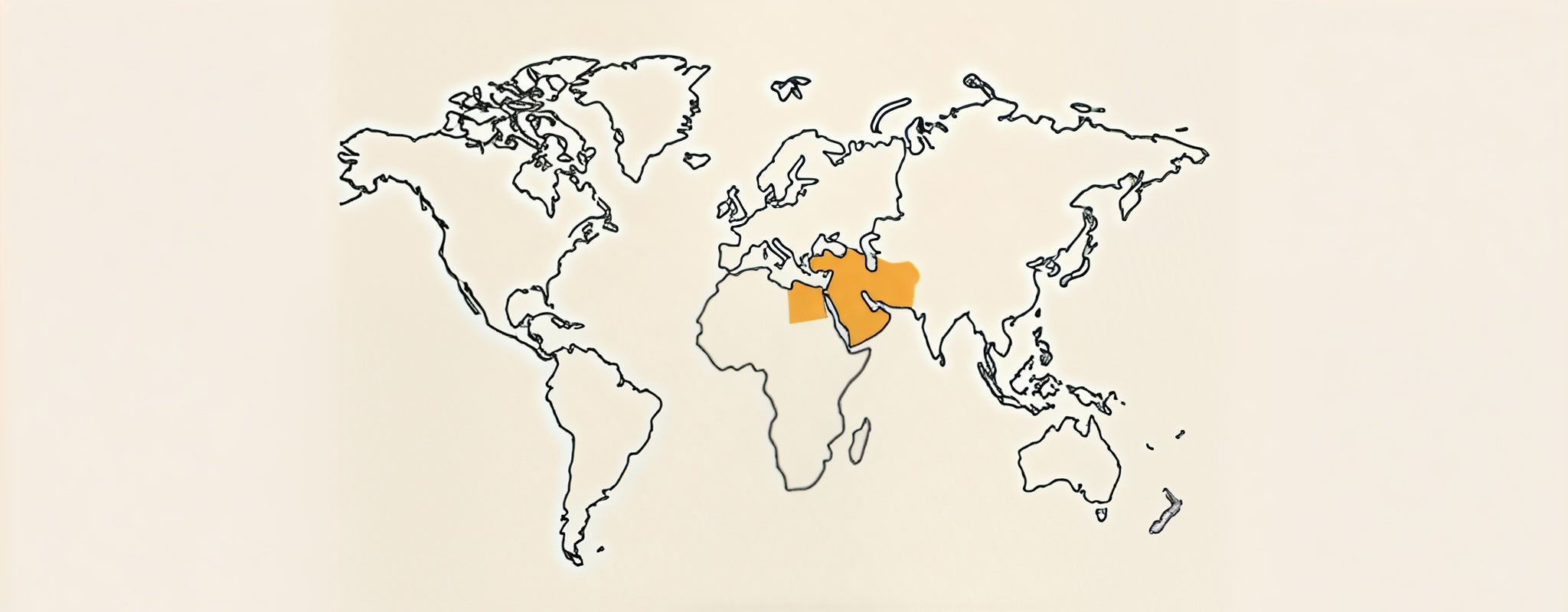
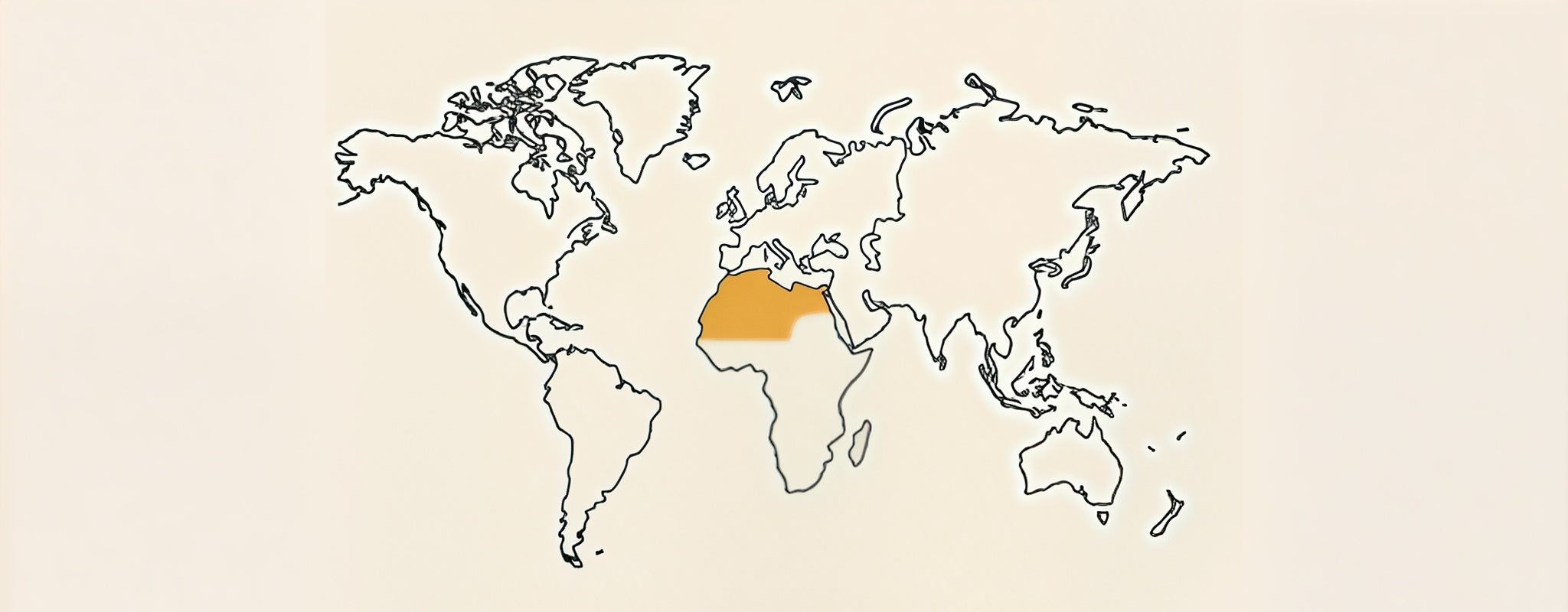
Middle East: Intense Arabian Fragrances and Cultural Respect
The Middle East is the heart of global perfumery, a region where fragrance is not only used but also experienced, shared, given as a gift, and deeply intertwined with daily life. Here, perfume symbolizes culture, spirituality, beauty, and hospitality . It is a language of presence, a display of sophistication, and a reflection of identity.
The etiquette of Arabic perfume is unique; intense scents are not only welcomed but celebrated, strong projection is appreciated, and the technique of layering is recognized as an art passed down from generation to generation. Western etiquette promotes respect for privacy and subtlety, while in the Middle East, warmth, richness, and aromatic expression are valued.
In this guide, we explore the principles of perfume etiquette in the Middle East, the cultural significance behind intense fragrances, and how six contemporary perfumes from our collection embody this timeless olfactory spirit.
I-Why the Middle East loves intense fragrances
To understand the label of Arabic perfume, it is necessary to first understand the philosophy behind it:
Perfume is not an adornment, but a form of identity.
In Arab culture, aroma conveys:
- Respect and welcome
- Elegance and personal care
- Purity of spirit
- Emotional presence
- Social status
- Cultural satisfaction
A strong scent is not considered intrusive. It is indicative of refinement, good manners, and personal care. The aromatic trail ("sillage") conveys confidence and draws others into a warm, fragrant environment.
Climate also has an impact; high temperatures intensify aromas, making oud, amber, and musk the most appropriate components for durability and projection.
II- The art of layering in Arab culture
The overlapping of smells is fundamental. People mix them:
- Perfumed oil or attar on the skin
- Spray perfumes on top
- Hair mists
- Perfume on clothing
- Bakhoor/censer on cloths (optional)
This creates a multidimensional trail that extends from morning to night.
The perfumes you've chosen perfectly suit this layering tradition. Below, we analyze them within their cultural context.
III- Perfumes that represent Arab audacity
Here we showcase six carefully chosen perfumes that represent the value of Arabic perfumery: sensuality, richness, ritual, and projection.
Swiss Arabian – Oud 07

If there's one fragrance that captures the essence of the Middle East, it's Oud 07. Oud is the jewel of Arabian perfumery, renowned for its spiritual presence and smoky depth. Swiss Arabian's version is strong, refined, and culturally respectful.
Why it fits Arabic etiquette:
- Emblem of prestige
- Traditionally, it is used as incense or applied in oil.
- Reliability, elegance and attention to command.
Recommended use: religious festivals, evening events, weddings, family gatherings, majlis
Lattafa – Ajwad

Ajwad blends wood, musk, and fruity sweetness. It symbolizes the latest facet of Gulf perfumery: sweet yet oriental, contemporary yet with a deep tradition.
Why it fits the Arab label:
- The sweetness feels warm and welcoming.
- Musk provides comfort and sensuality.
- Powerful and long-lasting projection
Recommended use: brunch, date nights, casual outings and everyday use with a distinctive Arabic touch.
Bharara – Viking Kashmir

Viking Kashmir is bold, intense, and exotic, ideal for men who want to express their traditional Arab masculinity through fragrance. In the history of Gulf perfumery, spices like cardamom and saffron have played a crucial role.
Why it fits Arabic etiquette:
- Spices symbolize strength and confidence.
- Perfume is culturally anchored with woody notes.
- Excellent projection, ideal for the region's climate
Recommended use: work, evening events, meetings, formal situations.
Montale Paris – Dallachai

Dallachai fits perfectly into the tradition of exotic and tasty treats that are highly valued in the Middle East, where Montale is iconic.
Consider:
- Desserts made with saffron
- Hot vanilla
- Spices from the Orient
Why it suits Arab etiquette:
- Intense gourmand notes that are highly appreciated
- Arabic culinary inspiration in perfumery
- Luxurious, extremely strong and durable
Recommended use: upscale dinners, evening events, romantic encounters, special parties
Paris Corner – Khair Pistachio

Khair Pistachio adapts to the new Arabic gourmand trend, as pistachio, creamy sweets and saffron are highly appreciated in the Middle East.
Why it fits the Arabic label:
- Pistachios and saffron are cultural symbols.
- Sweet smells represent cordiality and human warmth.
- Perfect for social gatherings where olfactory boldness is valued.
Recommended use: events, comfortable nights out, evening outings, party occasions
Paris Corner – Twilight Shadow Musk

Although Arabian fragrances are known for their intensity, musk plays a different role, symbolizing elegance, purity, and softness. Twilight Shadow Musk embodies the romantic and spiritual aspect of Arabian perfumery.
Why it suits Arabic etiquette:
- Arab tradition considers musk to be sacred.
- It represents tranquility and cleanliness.
- Perfect for spiritual or intimate moments
Recommended use: family gatherings, moments of prayer, relaxing evenings, and romantic dates.
IV- Perfume label according to the Arabic context
1- Home and family gatherings
Intense perfumes are appreciated and anticipated. Spices, amber, musk, and oud are predominant.
Suggested perfumes: Ajwad , Oud 07 , Viking Kashmir
2- Work and work environments
Intense fragrances are acceptable, but steer clear of overly sweet gourmands.
Suggested perfumes: Twilight Shadow Musk , Viking kashmir
3- Parties and weddings
Choose perfumes that are long-lasting and luxurious.
Suggested perfumes: Oud 07 , Dallachai , Khair Pistachio
4- Moments of a spiritual or religious nature
Delicate and respectful aromas, such as musk.
Suggested perfume: Twilight Shadow Musk
V- Cultural respect: how to use perfumes in the Arab style
To honor local customs, whether interacting with customers in the region or visiting the Gulf, follow these guidelines:
-
Use perfumes with strong projection: bold fragrances are admired, not rejected.
-
Select luxurious notes: amber, musk, rose, sandalwood, vanilla, saffron and oud.
- Apply generously, 6 to 10 sprays is usual.
-
Apply your scents in the following order: oil → spray → clothes → hair mist → bakhoor (if you want).
-
Use perfume to welcome and entertain: perfume is a sign of hospitality. It's customary to perfume the clothes of guests.
-
Alternatives for women: sweet, oriental and woody.
-
Alternatives for men: woody, spicy, bold. Unisex perfumes are a contemporary trend.
- Avoid fresh citrus fruits at formal events, as they might appear too minimalist or Western.
VI- Final reflection
Intense fragrances are not simply a trend in the Middle East; they represent identity, culture, rituals, and beauty . Arabian perfumery has had a global impact for centuries, from the smoke of the bakhoor to the richness of oud oils.
From Oud 07 to Twilight Shadow Musk, the fragrances you offer accurately represent the spirit of the region. They preserve the richness, strength, warmth, and sensuality that characterize the essence of Arabian perfume.
Wearing an Arabic perfume means embracing tradition, expressing confidence, and paying homage to a culture where scent is poetry, presence, and memory.

Leave a comment
This site is protected by hCaptcha and the hCaptcha Privacy Policy and Terms of Service apply.