
Global Perfume Label: East vs West
Perfume is universal, but how to use it is not. Every culture has its own philosophy about fragrances: when to use them, how much, which notes are appropriate, and even what they represent socially. Understanding these differences is essential if you travel, work with international clients, or simply prefer to avoid cultural misunderstandings.
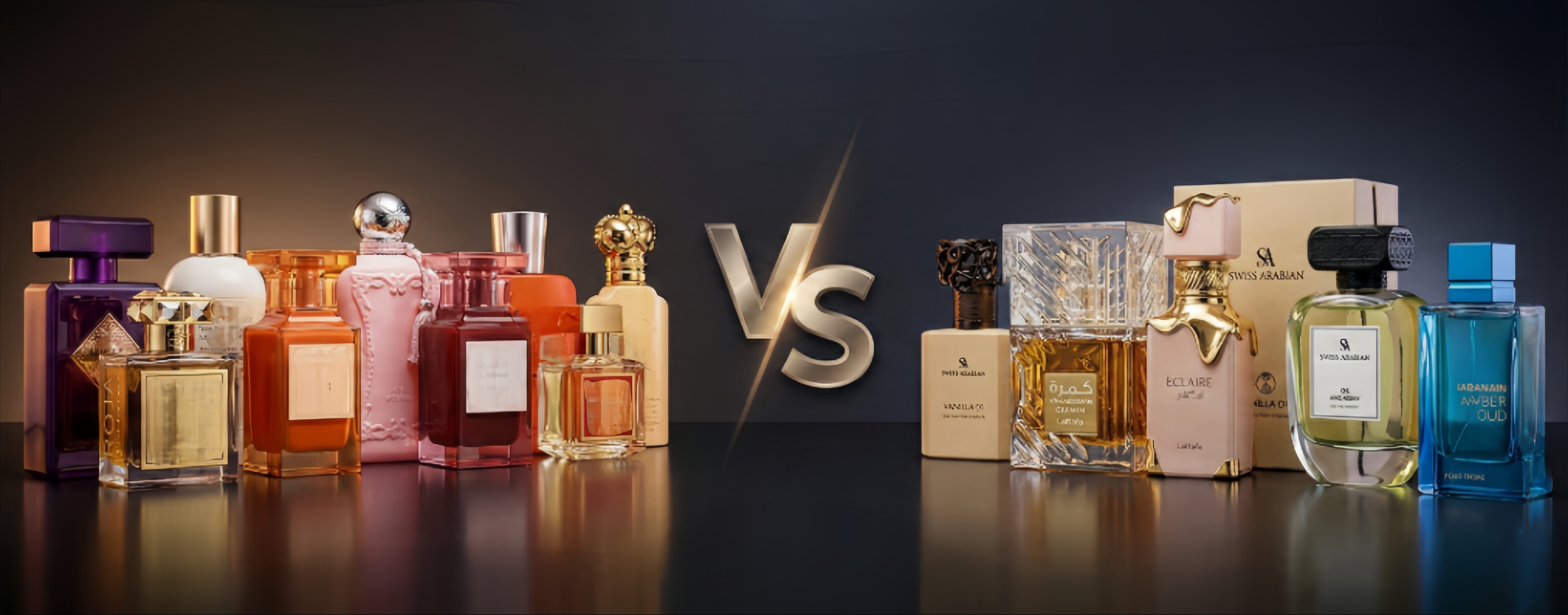
Perfume etiquette is influenced by religious, cultural, and historical customs, as well as by climate and rules of personal space around the world. The West tends to favor subtlety, respect for individual boundaries, and restraint, while the East is characterized by bold and expressive scents, as well as layering techniques. Neither is right or wrong; they are simply different expressions of identity and beauty.
This article examines the captivating difference between perfume etiquette in the East and the West, as well as how these customs represent more deeply rooted cultural values.
1 - The Philosophy of Perfume in East vs West
It is important to understand the mindset that each region has regarding fragrance before analyzing specific behaviors.
- The West: Perfume as a "personal bubble"
Perfume is considered part of personal space in Western nations such as the United States, Italy, France, Canada, and the United Kingdom. It should be worn close to the skin and only noticeable when someone is nearby. The unofficial rule is:
"Your perfume should not be proclaimed, but discovered."
Western etiquette promotes respect, subtlety, and balance for those who may be sensitive or allergic to perfumes.
- The Orient: Perfume as a symbol of expression, tradition and identity
In the Middle East, South Asia, and parts of East Asia, fragrance tends to have deeper cultural roots. It symbolizes:
- hospitality
- spirituality
- luxury
- commemoration
- physical presence
In this place, perfume is not just something applied; it's part of a ritual. In many Eastern nations, it's customary for the scent to be strong, long-lasting, and expressive. The perfume is designed to be perceived by everyone around, not just the person wearing it.
2 - How Much Perfume to Apply
This is one of the most notable distinctions between the West and the East.
- The West: "Less is more"
American and European etiquette encourages light use of certain items. Exceeding this standard can be seen as unprofessional or inappropriate. Typical suggestions include:
- Maximum of 2 to 4 sprays per day.
- Light, clear and fresh aromas
- Strong fragrances that are for the evening or for special occasions
The climate has an impact in cold areas; strong-smelling perfumes last longer, therefore, a few sprays are enough.
- East: "More is beautiful"
In many Eastern cultures, particularly in the Arabian Gulf, strong, long-lasting fragrances are favored. Applying them generously is common, and layering is considered a sophisticated technique. Some common practices include:
- 6 to 12 sprays
- Apply attar oil before the spray
- Add fragrance to clothes
- Smoky bakhoor to scent the whole room
Warm weather also has an impact; because of the heat, the fragrance evaporates more quickly, which naturally causes more to be applied.
3 - Perfume Notes: What's Appropriate
Tradition and climate determine the notes that each region prefers.
- Western Preferences:
The following are chosen:
- subtle florals (iris, jasmine, rose)
- citrus fruits (such as lemon or bergamot)
- musk
- ecological notes
- wood
- fragrant herbs
Minimalism, elegance, and the purity of the chords are central elements in the Western style.
- Eastern Preferences:
Oriental perfumery is more intense and rich. Notes that have become popular include:
- oud
- Amber
- musk
- rose (in particular, Taif rose)
- turmeric
- sandalwood
- incense
- combinations inspired by Bakhoor
These notes show the history of the spice trade, incense rituals, and royal customs of the region.
4 - Perfume Etiquette at Work
Professional etiquette is one of the most significant contrasts.
- In the West:
The perfume you wear at work should be:
- delicate
- suitable for the office
- not overwhelming
Many spaces even have "fragrance-free" policies. Fresh scents, soft musks, and light floral fragrances are suggested.
- In the East:
In Middle Eastern countries, wearing perfume at work is not only common, but also expected. Colleagues often compliment the fragrances, which are noticeable every day. Perfume is seen as an element of personal grooming and professionalism.
5 - Public Spaces and Social Etiquette
- Western Rules:
Use strong-scented perfume on:
- public transport
- frequented places
- hospitals
- aircraft
It's considered rude. In the West, personal space is valued, and people prefer not to let their scent overpower others.
- Eastern rules:
Fragrances in public places are valued in many Eastern cultures, particularly in the Gulf. Homes, shopping malls, and even offices may feature scents of oud, incense, or aroma diffusers. A strong scent is seen as a sign of respect and hygiene.
6 - Gender and Perfume Label
- West:
The aroma types are more strict:
- men → wood, spiced, fresh
- women → sweet, floral, citrus
Despite the fact that unisex perfumes are in fashion, many Western consumers still follow gender stereotypes.
- East;
Gender lines are less rigid. Men in Gulf countries use colors like pink, amber, vanilla, and even sweet fragrances. Traditionally, many perfumes are unisex. What matters is the longevity and richness of the scent, not the gender label.
7 - Application Rituals
- Western application:
- Spray gently on pulse points.
- Do not wear clothes
- If necessary, reapply discreetly.
It's a simple and quick ritual.
- Eastern Application:
More ritualistic and detailed:
- First, attar oil
- Then, aerosol perfume.
- Incense or bakhoor on the clothes
- Hair mists designed to leave a trail
- Lotions or creams with fragrance to extend the duration
The layering technique is an art that has been passed down from one generation to the next.
8 - Gift Tag
- The West:
Perfume is considered a personal and intimate gift, for:
- partner
- close friend
- family
In work contexts, the exchange is infrequent.
- East:
Perfume is a common and appreciated gift. It is given in:
- marriages
- Feast of Sacrifice
- Ramadan
- business meetings
- home visits
- gestures of gratitude
Giving perfume as a gift is a symbol of generosity, luxury, and honor.
9 - Religious and Cultural Influences
- The West:
Incense was used in Christian tradition, but today perfumery is considered more secular and is understood as a personal expression or a fashion trend.
- The East:
In Islam, fragrance and cleanliness are highly valued. The Prophet Muhammad (peace be upon him) valued musk and promoted pleasant aromas. Rose oil, frankincense, and oud have strong spiritual symbolism. Rituals and ceremonies in Buddhist and Hindu cultures also incorporate fragrances.
10 - Climate and Perfume Duration
Perception and application are significantly affected by the weather:
- In the West (cold climate) → Perfume lasts longer, strong fragrances are perceived intensely, so it is not necessary to apply much.
- Orient (warm climate) → The heat causes perfume to evaporate quickly; dense and strong scents, such as oud, are more effective.
11- Travel Etiquette
- When you travel west:
- She prefers soft floral scents, clean musk, and citrus.
- Use minimal sprays
- Be mindful in public places.
- When you travel east:
- She likes musk, amber, oud, and attar oils.
- Layers and intense aromas are acceptable.
- Duration and intensity are taken into account.
12- Which Style is Better?
Neither is better; they are simply different philosophies.
- In the West, subtle elegance and respect for common space are valued.
- Fragrance is celebrated in the East as an expression of identity, beauty, and culture.
Both traditions have depth, complexity, and history. The secret is to adapt to the environment while remaining authentic.
Conclusion
Perfume labels offer a glimpse into how people live, think, and express themselves. Whether you prefer the bold richness of oriental fragrances or the refined subtlety of western ones, understanding these cultural differences allows you to use perfumes with knowledge and appreciation.
Although perfume is universal, each culture has its own story about how we use it.



Leave a comment
This site is protected by hCaptcha and the hCaptcha Privacy Policy and Terms of Service apply.