


Signs Your Arabian Perfume Has Gone Bad | Official Arabian Perfume Distributors
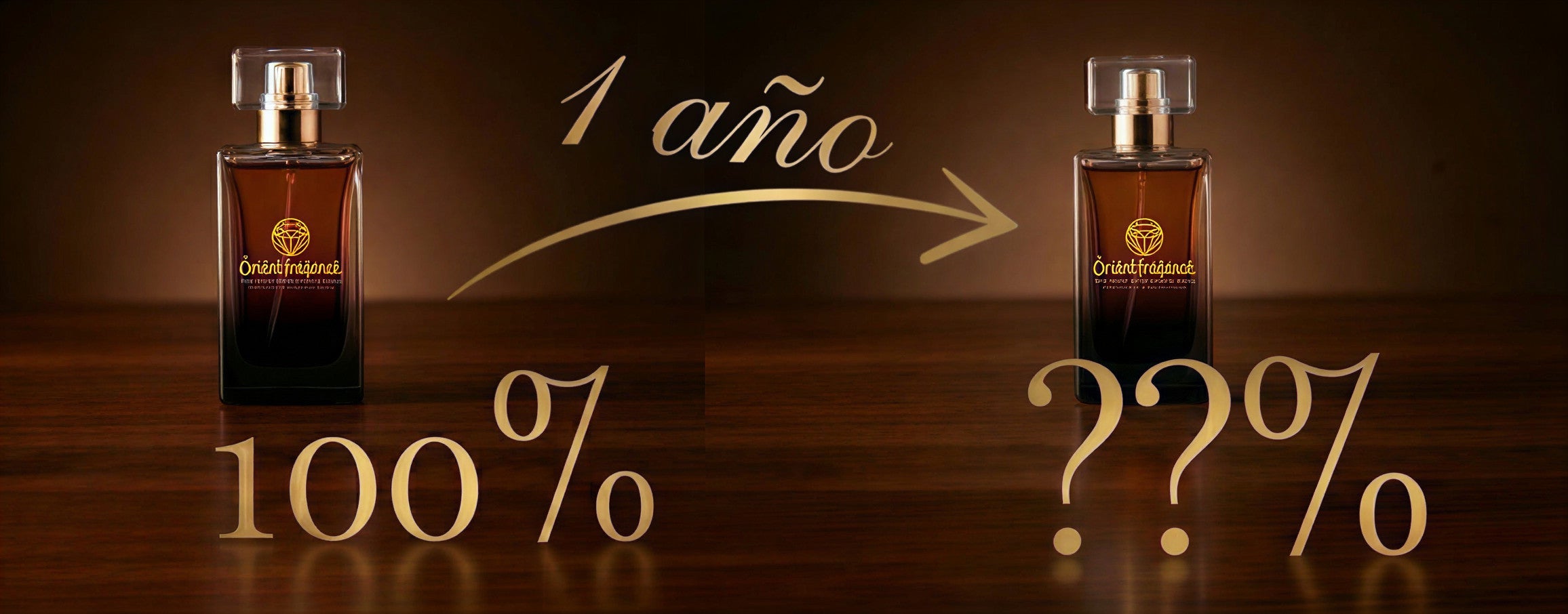
Arabian and oriental perfumes are known worldwide for being very intense, complex, and long-lasting, as they are made with natural oils, resins, spices, and very intense gourmand or fruity accords. But because of this same olfactory richness, it is not always easy to tell when a perfume has gone bad and when it has simply aged.
Many people throw away good Arabian perfumes out of fear, while others continue to use them even though they have already lost their chemical stability. Both mistakes are common and avoidable.
This guide is a practical, simple, and realistic manual to help you learn how to:
- Identify clear signs of deterioration
- Distinguish natural evolution from real damage
- Understand why some perfumes go bad before others
- Know when to stop using a perfume without risk
1- Natural evolution vs. a spoiled Arabian perfume
Before deciphering the signs, it is necessary to clarify a fundamental term.
- Natural evolution (not a problem):
An Arabian perfume may:
- Become cloudy
- Deepen
- Smooth out its decline
- Improve the integration of its notes
And this is especially noticeable in fragrances with:
- Vanilla
- Ripe fruits
- Amber
- Sugar
- Oud
For example, intense fruity perfumes such as Paris Corner – Mango Jugoso or Gulf Orchid – Mangotini may lose some of their initial citrus freshness and become creamier over time. And this is not decay.
- A truly spoiled perfume:
A perfume goes bad when:
- It smells bad
- It has completely broken down
- It irritates the skin
- It shows abnormal physical changes
2- Signs that an Arabian perfume has gone bad
Your sense of smell does not lie.
1- Rancid, vinegary, or sour smell:
If when you spray it, you get an aroma that is:
- sour
- sharp, pungent
- like vinegar
- bad from the start
👉 It is a clear indicator of advanced oxidation.
This can happen even with good perfumes if they have been stored incorrectly (especially fruity ones like French Avenue - Vulcan Baie, where the fruity notes spoil and turn sour).
2- Rancid smell or smell of old oil:
Arabian oil perfumes usually smell:
- greasy
- heavy
- rancid
- like rancid cooking oil
This indicates that the natural oils are breaking down, which can happen if the perfume was exposed to heat.
3- Intense chemical, metallic, or synthetic smell:
If the perfume:
- Smells fake
- Reminds you of metal, plastic, or solvent
- "Gross!" or "Disgusting!" are common expressions of disgust
⚠️ The formula is chemically breaking down.
3- Complete loss of scent
A spoiled Arabian perfume often:
- Has no sillage
- Does not develop on the skin
- Smells clean, like a single note
For example, a perfume as elaborate as Bharara - Viking Beirut, which is advertised as having layers, but only remains flat, without development, has surely gone bad.
4- Changes in the liquid that indicate real deterioration
1- Abnormal cloudiness of the liquid:
A spoiled perfume is noticeable when it is:
- dull
- milky
- with strange particles floating
This is not normal, even in very heavy perfumes.
2- Extreme separation of the liquid:
Slight separation is normal in concentrated perfumes.
Not when:
- Very distinct layers form.
- The water does not rise back up once it has settled
- Foamy residue is visible
3- Unnatural color changes:
Turning black → normal
Grayish, greenish, or matte → spoiled
5- Changes in texture: a little-recognized sign
If the perfume:
- Has become too heavy
- or too liquid
- Leaves the skin feeling strange, like sticky
The formula may be breaking down inside.
6- Signs on the skin: when the body reveals the problem
1- Irritation or itching
If a perfume you used to use without problems now causes:
- itching
- redness
- burning
❌ Stop using it!
2- Bad smell after a few minutes
Some spoiled perfumes:
- Smell good at first
- But smell bad on the skin
This means that body heat is revealing an altered formula.
7- Fruity and gourmand perfumes are the ones that degrade the fastest
Ripe, sugary, or gourmand fruity perfumes are milder.
Examples include:
They can break down faster if:
- They are stored in bathrooms
- They are turned on
- They are subjected to extreme temperature changes
8- Spicy and woody aromas: more resistant, but not invincible
More structured aromas such as:
They generally age better, although they also deteriorate if:
- The atomizer is letting air in
- The bottle is opened too frequently
- It is stored near heat sources
9- Main factors that ruin Arabian perfumes
1- Constant heat
Heat:
- Speeds up oxidation
- Destroys fruit and flower notes
- Breaks the balance of oils
2- Direct sunlight
Light corrupts:
- alcohol
- Essential oils
- Natural colorants
3- Oxygen and evaporation
Opening the bottle too much causes:
- The alcohol to evaporate
- Bacteria to grow
- The formula to break down
10- Mistakes we make thinking a perfume is spoiled
- The color darkened
- It smells different than on the first day
- It projects less
- It is milder
👉 All of this can be normal, especially with Arabian perfumes.
11- When to stop using a perfume without a doubt
Stop using it if:
- The smell is clearly unpleasant
- It irritates the skin
- The texture is strange
- It smells chemical or rancid
12- Can a spoiled Arabian perfume be fixed?
No. Adding alcohol, water, or mixing perfumes:
- Does not cure it.
- Can be dangerous!
- Intensifies the degradation.
13- How to prevent an Arabian perfume from spoiling
- Store in a cool, dark place
- Avoid bathrooms
- Keep closed
- Do not shake
- Avoid heat and light
14- Frequently Asked Questions
Q1: Can an expensive Arabian perfume go bad?
- Yes. Being expensive does not protect it from heat or poor storage.
Q2: Do fruity perfumes expire sooner?
- Yes, especially gourmand and intense fruity ones.
Q3: Is a spoiled perfume dangerous?
- It can irritate; it is not recommended.
Q4: Do oil perfumes last longer?
- They can last longer, but they also oxidize.
Q5: Is a metallic smell a warning sign?
- Yes, it is generally a sign of chemical breakdown.
15- Conclusion
A spoiled Arabian perfume should not be confused with a matured one if you know what to look for. Small changes are normal, but strange smells, odd textures, and skin reactions are not.
With these tips, you can make informed decisions, take care of your skin, and better preserve your oriental perfumes.

Leave a comment
This site is protected by hCaptcha and the hCaptcha Privacy Policy and Terms of Service apply.